Profile Equipment
High-tech
Triangula

Gunshot positioning with the phones you already carry.

Instant shooter location. Better situation awareness. Incident documentation.

Triangula is a next generation gunshot positioning system. It detects and positions gunshots using mobile phones (iOS 14+ or Android 10+) and Apple Watch Ultras as sensors. It is deployed in minutes by installing the Triangula Scout app on three or more supported devices. No special hardware is required and there is no setup or calibration process.

Developed with support from the Norwegian Armed Forces. Used by a western SWAT team to secure the opening of a major international event.

Request a demo
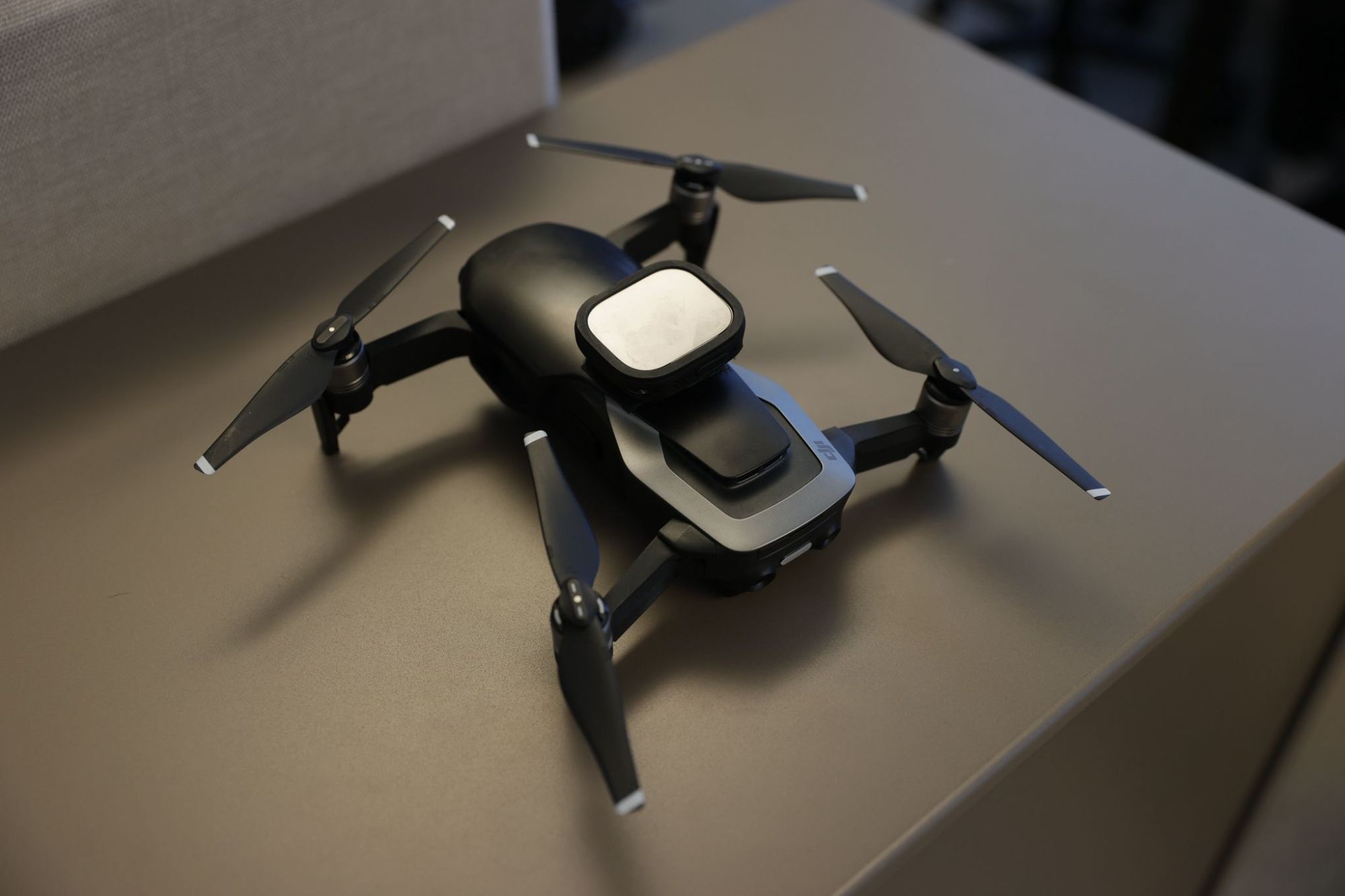
Triangula phone-based sensor mounted on a DJI Mavic Air drone
2.5 km
rifle detection range, open terrain (typical)
10 m
positioning: within 10 m at 800 m
4 s
a shooter is mapped within 4 seconds
<1/wk
false positives, urban, 3 phones (typical)
3+
devices to deploy
0
false positives while securing a major international event
What it is

The world's most advanced gunshot detection system. No special hardware.

Triangula detects and positions gunshots by using mobile phones (iOS 14+ or Android 10+) and Apple Watch Ultras as sensors. The system is deployed in minutes by installing the Triangula Scout app on three or more supported devices. No special hardware is required and there is no setup or calibration process.

Triangula uses artificial intelligence (AI) to identify and separate the sounds of the muzzle blast from weapons. The AI separates muzzle blasts from fireworks, car backfires and urban noise, and can also flag explosions. It positions gunshots, identifies weapons and estimates gunshot directions.

Detection is close to real time. The system covers large areas in diverse environments, from city centres to open terrain. Triangula is developed with support from the Norwegian Armed Forces.

  • Phones and Apple Watch Ultras as sensors. No special hardware.
  • Deployed in minutes: install Triangula Scout on three or more devices.
  • No setup or calibration process.
  • AI separates muzzle blasts from fireworks, car backfires and urban noise.
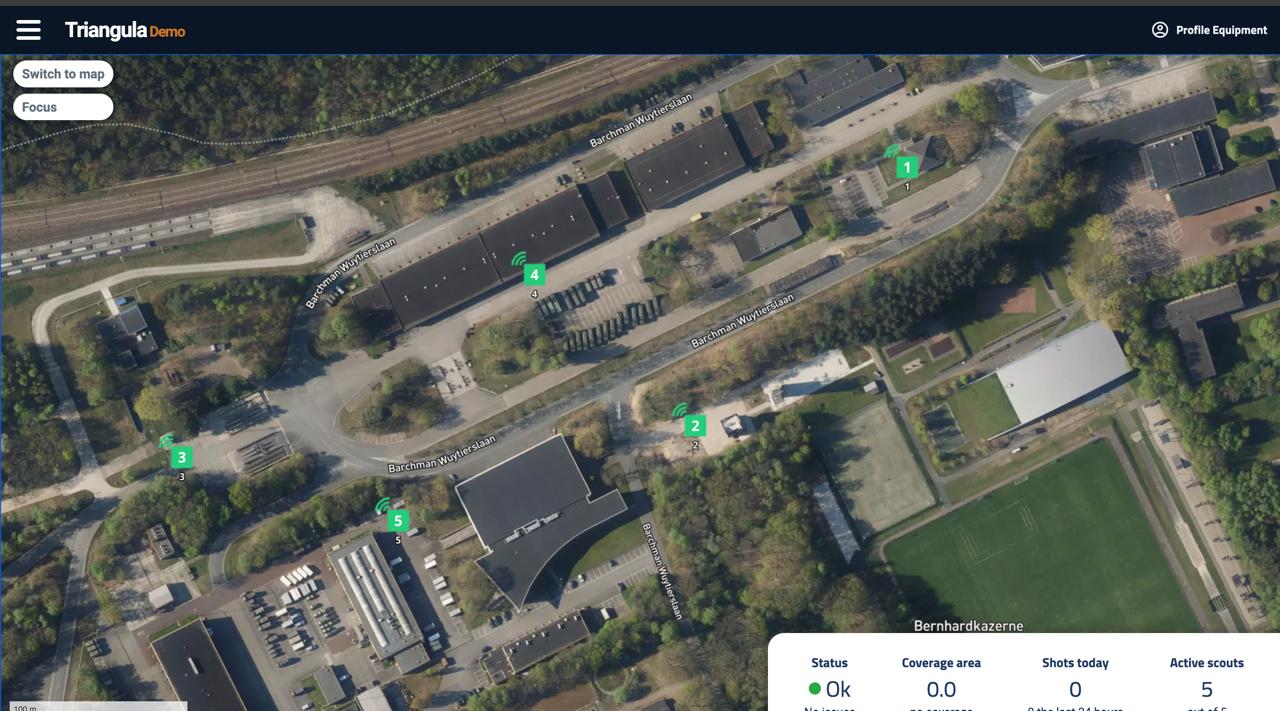
Triangula Commander web interface showing five active scouts on a satellite map at the Bernhardkazerne, Amersfoort
Triangula Commander during a demo at the Bernhardkazerne, Amersfoort (NL): five scouts active, coverage area and shots today at a glance.
How it works

From muzzle blast to map marker in four steps.

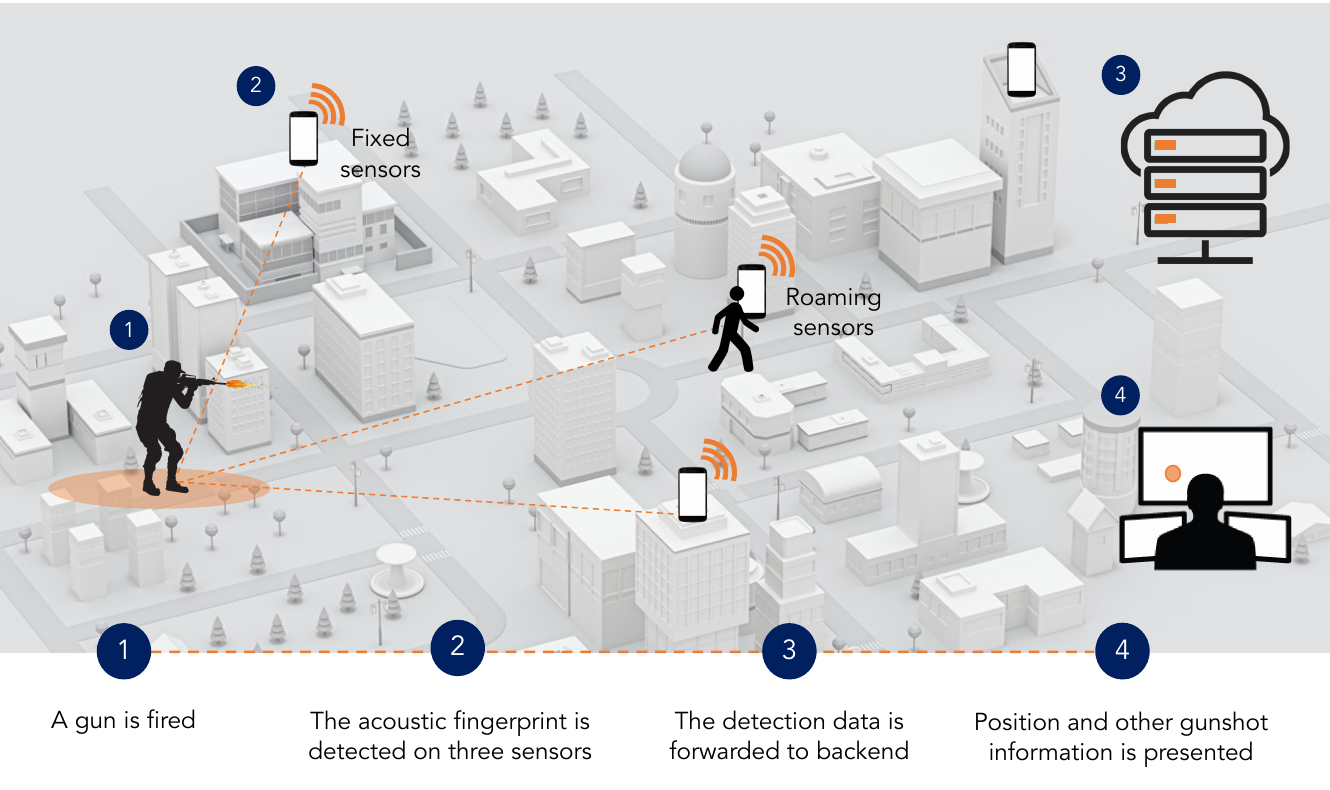
Every Scout device listens for the acoustic fingerprint of a gunshot. Three detections are enough to position the shooter.

  1. 1

    A gun is fired

    The muzzle blast travels through the environment.

  2. 2

    The acoustic fingerprint is detected on three sensors

    Triangula Scout, running with battery-optimised background processing on iOS and Android, recognises the gunshot. All audio analysis happens on the device. No raw audio is uploaded or stored.

  3. 3

    The detection data is forwarded to the backend

    Only detection metadata is transmitted, to Triangula Cloud, a private cloud or Triangula-in-a-box, where the gunshot is positioned.

  4. 4

    Position and other gunshot information is presented

    A shooter is mapped within 4 seconds in Triangula Commander or your own C2, BMS or ATAK, with direction, calibre and weapon category. A UAV can be dispatched to the shot location.

Illustration of the four Triangula steps: a gun is fired, three sensors detect the acoustic fingerprint, the data is forwarded to the backend and the position is presented
Key capabilities

Built for range, accuracy and speed.

Long detection range

A rifle in an open environment is typically detected up to 2.5 km away. A small-calibre handgun in a city centre down to 300 m.

Accurate positioning

Triangula positions a gunshot within 10 m at 800 m range.

Short response time

Practically real time. A shooter is mapped within 4 seconds.

Presents gunshot direction

Estimates the direction of the shot. Unlike competing systems, for both subsonic and supersonic ammunition.

Identifies weapons

Reports calibre, weapon category and the use of a silencer.

Low false warning rate

In an urban environment typically less than one false positive per week for a setup with three mobile phones.

Deployment

Three ways to deploy.

Fixed, carried or placed in the terrain. The same Scout app covers all three.

01

Fixed installations

Permanent surveillance of high-risk objects or critical areas. Phones are mounted in discrete housings and connected to external power for robust coverage.

02

Roaming sensors on personnel

Mobile surveillance during patrolling or an operation. Roaming sensors also expand a fixed installation.

03

Temporary surveillance for a special operation

Phones positioned around the terrain, running on their own battery for several days.

System components

Sensor, backend, presentation. Each with a secure alternative.

The default setup runs on the Triangula apps and cloud. Every layer can be swapped for a soldier-worn, private or fully offline alternative.

Sensor

Default
Triangula Scout, mobile app for detection. Battery-optimised background processing on iOS and Android.
Alternatives
Soldier-worn devices integrated with Triangula Scout software.

Backend

Default
Triangula Cloud, cloud-based service for triangulation.
Alternatives
Private cloud solution for maximum security. Triangula-in-a-box for use in areas without mobile coverage.

Presentation

Default
Triangula Commander, web interface for presentation (PC, Mac, tablet). Also a planning tool for sensor placement and gunfire alerts.
Alternatives
Integrated with existing Command & Control (C&C) or Battle Management System (BMS), or into a command centre.
Proven

Tested by FFI. Trusted by a western SWAT team.

Operational use, 2024

Securing the opening of a major international event

“Yesterday [a western police tactical unit] used us to secure the opening of [a major international event]. During the whole event, we didn't have a single false positive, despite fireworks music and all kinds of cheering from people. This is a huge historic moment for Triangula and a great reference which you can use in your work.”

— Triangula, in a message to partners, 2024. Unit and event withheld.
0
false positives during the whole event (reported by Triangula)
SWAT
a western police tactical unit; name withheld
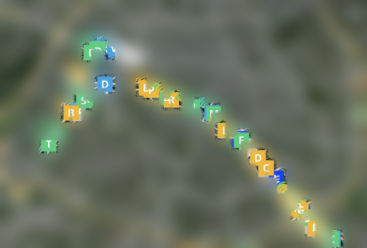
Chain of Triangula sensors across a city during the event; the map background is blurred
The unit's sensor chain across the city during the event. The map background is blurred on purpose.
FFI field test, June 2021

52 shots in a deliberately difficult urban environment

“The scenarios were intentionally planned to be challenging for Triangula and any other GDS, especially scenario 4, 5, and 6. The detection rate of shots that were not fired from weapon with silencer at 96.2 % was a very promising result.”

— Triangula GDS test report, supported by the Norwegian Defence Research Establishment (FFI), Kjeller

Rifles and pistols of various calibres were fired in six scenarios: snipers on rooftops and on the ground, a shooter in an intersection, in the centre of a 2 m wide alley and from an alley. Half of the 52 shots were fired with a silencer. The sensors were standard Motorola Moto G 5G Plus phones running Triangula Scout. None were moved during the test.

96.2%
detection without silencer, setup A (4 sensors, 195 m spacing)
88.5%
detection without silencer, setup B (5 sensors, 660 m spacing)
0
false positives in both setups
52
shots: 26 without and 26 with silencer
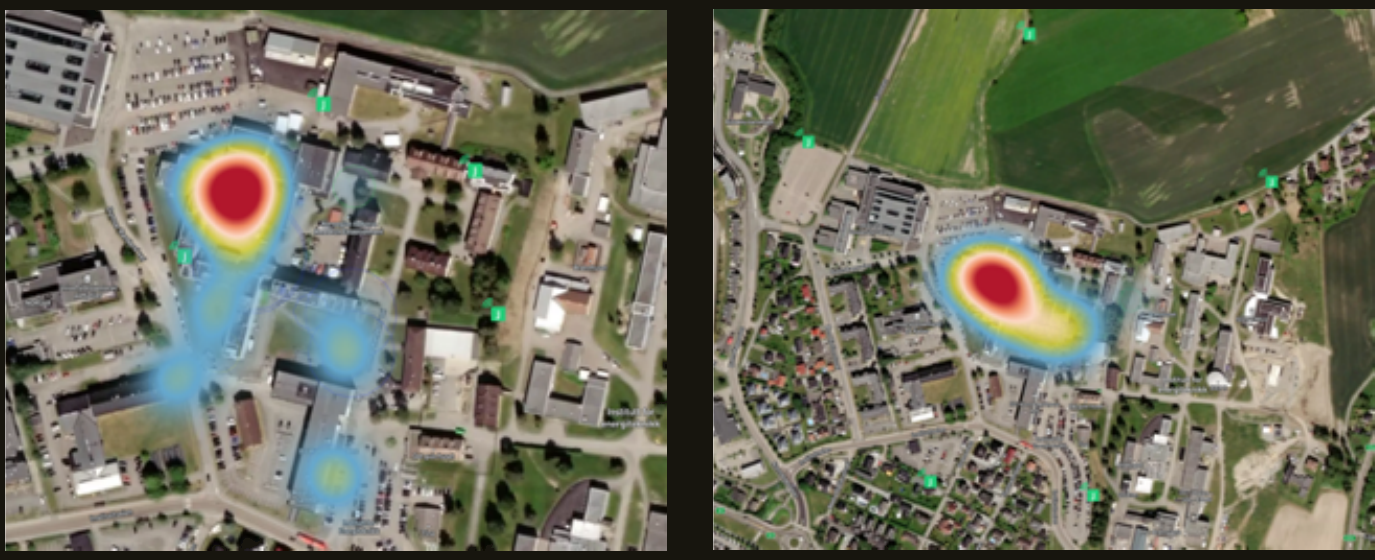
Two aerial heatmaps of the FFI premises at Kjeller showing Triangula detections for setup A and setup B
Left: internal setup A. Right: external setup B.
Field record

From Home Guard trials to artillery in the Arctic

Triangula has been in the hands of soldiers since 2022, when the Norwegian Home Guard ran field trials. At Arctic Strike 2025, the Norwegian, Swedish and Finnish army technology experiment, Triangula sensors were placed in the terrain. The sensors were ordinary retail phones, some of them six years old. In one scenario the system positioned artillery fire.

2022
Norwegian Home Guard field trials
2024
security of a major international event
2025
Arctic Strike: Norwegian, Swedish and Finnish army experiment
6 yrs
age of some of the retail phones used as sensors at Arctic Strike
About Triangula

Triangula AS, Oslo, Norway

Triangula AS was founded in Oslo in 2017. The system is developed in close collaboration with the Norwegian Defence Research Establishment (FFI) and the Norwegian Armed Forces and Home Guard.

Profile Equipment is the Benelux partner for Triangula: demonstration, deployment planning, integration, training and support.

2017
founded, Oslo, Norway
FFI
developed in close collaboration with the Norwegian Defence Research Establishment
Integration

Works with what you already have.

Triangula is easily integrated with Battle Management Systems (BMS), Command & Control (C&C), Video Management Systems (VMS) and drones. Gunshot markers appear directly in ATAK next to your own sensors. Triangula Commander gives you a web view with replay of every incident and can be integrated into command centres and C2 systems. A UAV can be dispatched to the shot location, and a phone-based sensor can even ride along on a drone.

  • ATAK (Android Team Awareness Kit)
  • Battle Management Systems (BMS)
  • Command & Control (C&C) and command centres
  • Video Management Systems (VMS)
  • Drones and UAV dispatch
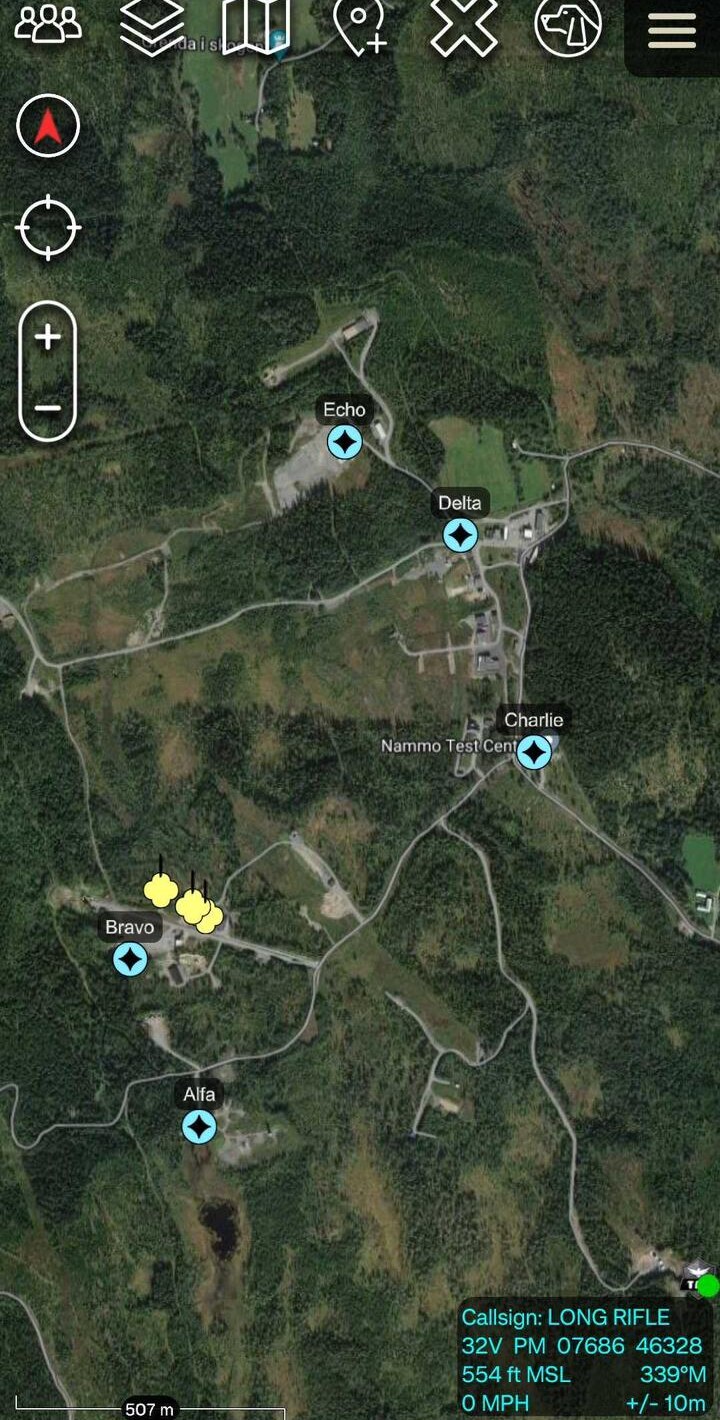
ATAK map with Triangula sensors Alfa to Echo at the Nammo Test Center, gunshot markers appearing near sensor Bravo
Triangula inside ATAK at the Nammo Test Center (Norway): gunshot markers near sensor Bravo.
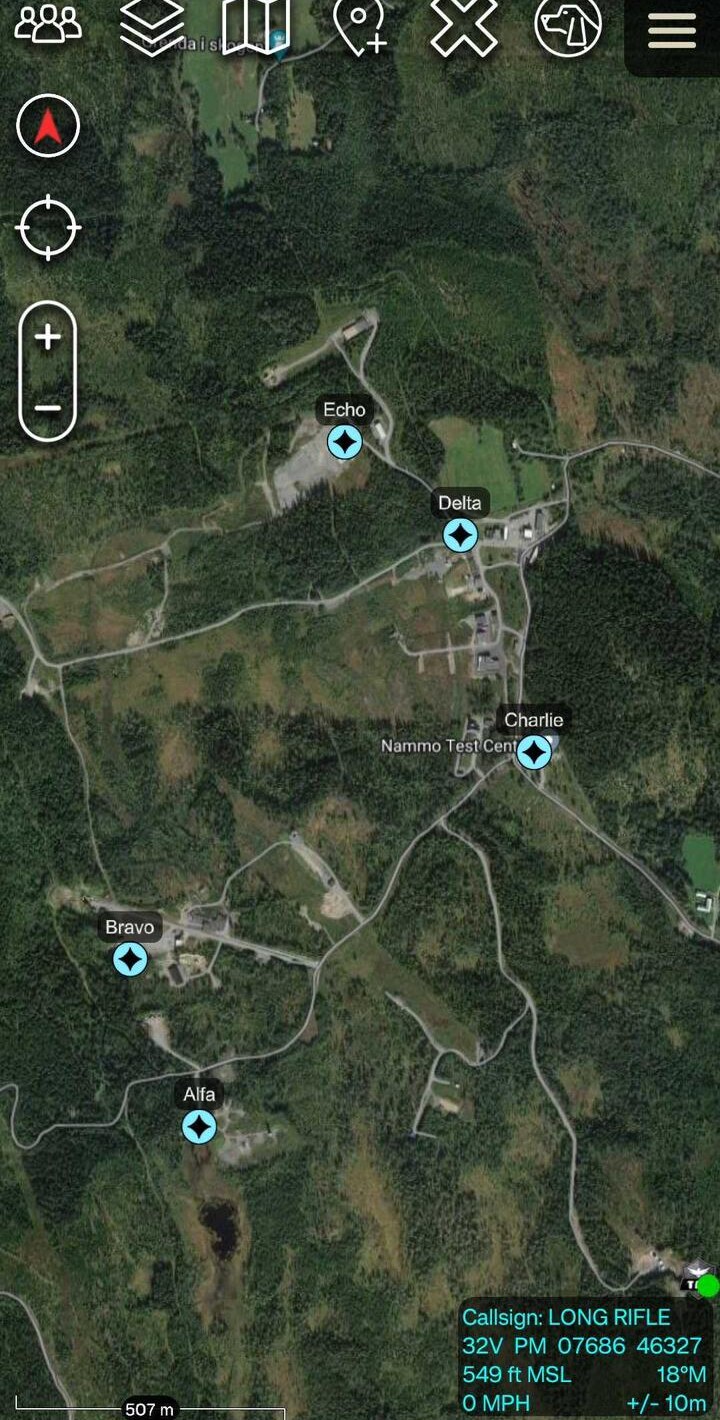
ATAK map with Triangula sensors Alfa to Echo at the Nammo Test Center before the shots
The same sensor layout before the shots were fired.
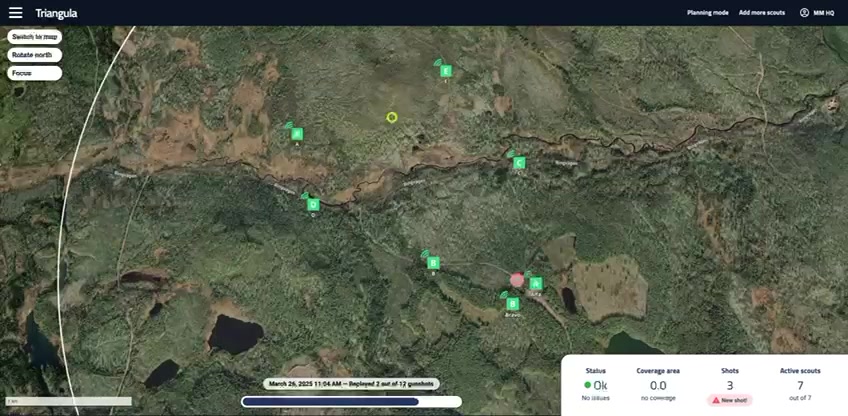
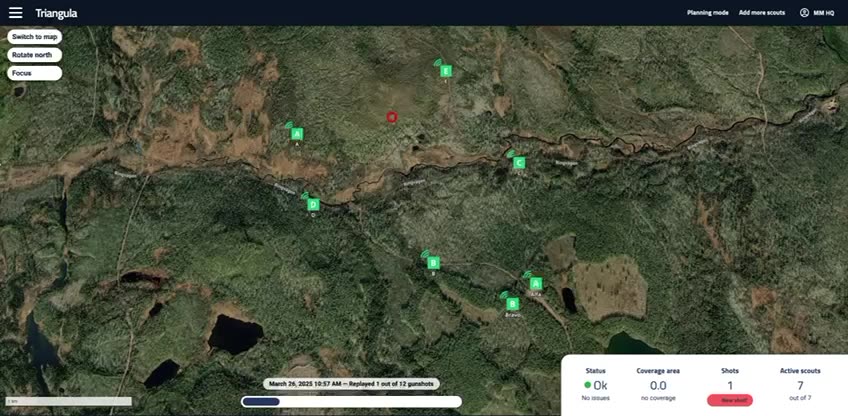
Triangula Commander replay mode with seven scouts placed along a river valley and a first gunshot marked
Commander with seven scouts in open terrain: the first of 12 replayed gunshots appears on the map.
Triangula Commander replay mode showing gunshots appearing with timestamps in open terrain
Commander replay of 12 gunshots in open terrain, Norway, March 2025. Incident documentation built in.
FAQ

Questions we get asked.

Which devices can act as a sensor?

Mobile phones running iOS 14+ or Android 10+ and Apple Watch Ultras, with the Triangula Scout app installed. Soldier-worn devices can also be integrated with the Triangula Scout software.

Do we need special hardware or calibration?

No. Triangula is deployed in minutes by installing the Triangula Scout app on three or more supported devices. No special hardware is required and there is no setup or calibration process.

Does it record conversations?

No. All audio analysis happens on the device. No raw audio is uploaded or stored. Only detection metadata is transmitted to the backend.

Does it detect silenced weapons?

Yes, with a lower detection rate. In the FFI urban field test (June 2021), 52 shots were fired, 26 of them with a silencer. Without silencer the detection rate was 96.2% (setup A, 4 sensors) and 88.5% (setup B, 5 sensors). With silencer it was 65.4% and 34.6% respectively, with no false positives in either setup. Triangula also reports whether a silencer was used.

Does it work without mobile coverage?

Yes. Triangula Cloud is the default backend. A private cloud solution is available for maximum security, and Triangula-in-a-box provides a self-contained backend for use in areas without mobile coverage.

Can it integrate with our existing systems?

Yes. Triangula is easily integrated with Battle Management Systems (BMS), Command & Control (C&C), Video Management Systems (VMS) and drones, and it runs inside ATAK. Triangula Commander, the web interface, is the default presentation layer and can be integrated into command centres.

See Triangula on your own terrain.

Profile Equipment is the Benelux partner for Triangula. We arrange a live demonstration, in Commander or in your own C2, and take care of deployment planning, integration, training and support.

Request a demo